

Music
Richmond Barracks Winter Fair
Date: Sat 28 Nov – Sun 29 Nov
Location: Richmond Barracks, Inchicore
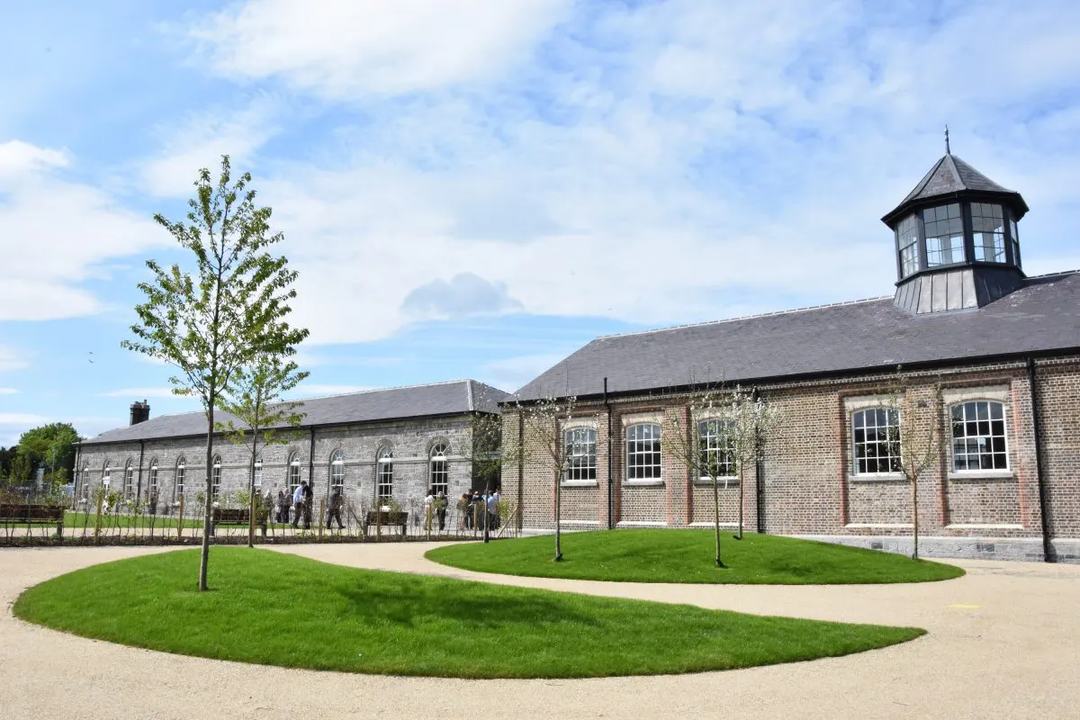
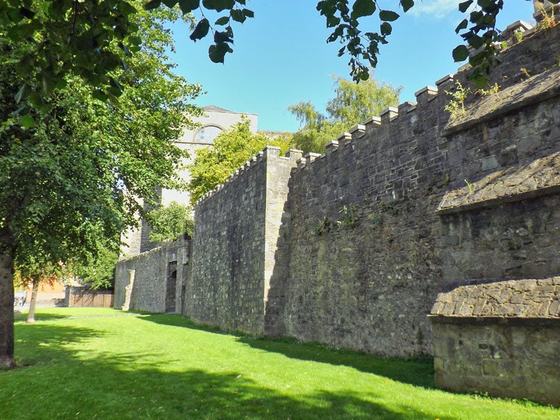
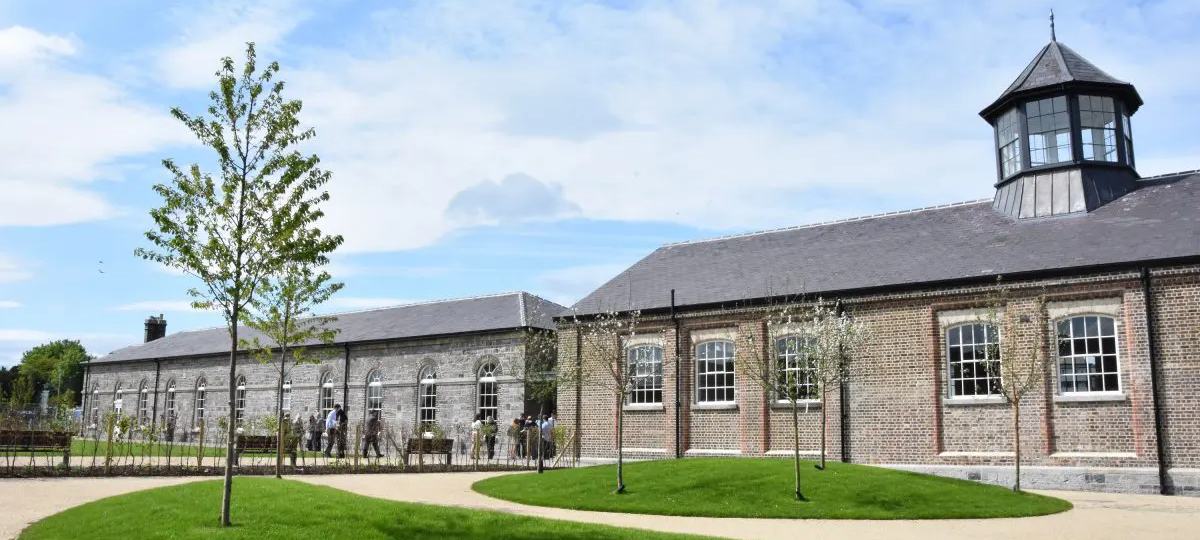
A visit to this award-winning and beautifully restored venue will engage visitors with history in a unique way. The exhibitions commemorate and celebrate both the people and place over a time span of 200 years. Richmond Barracks was built in 1814 to counter a Napoleonic invasion and later served as a recruitment barracks for the British Army. Soldiers based here were sent to fight in the Crimean War, the Boer War and World War I.
These buildings were a key site for many significant events in Ireland’s national history, particularly in the immediate aftermath of the 1916 Rising. Over 3,000 people were held here while they awaited their fate of deportation to various prison camps throughout Britain - or worse. The leaders of the Rising were held in the historic Gymnasium prior to being court-martialed and executed at Kilmainham Gaol nearby. A guided tour includes a visit to nearby Goldenbridge Cemetery, an atmospheric Garden Cemetery founded by Daniel O’Connell in 1829. .
Richmond Barracks particularly highlights the role of women in the 1916 uprising. A highlight is a display where descendants of these women crafted a memorial square for each. Their contributions and stories are preserved and celebrated here.
A room on site is restored to show you what school was like at St. Michael's Christian Brothers School in the "olden days" in the mid 20th century and will bring back memories. A collection of old class photos and the school register may be of interest in family history research.
The Mess café run by The Green Kitchen serves delicious hearty and homemade breakfast and lunches for visitors to enjoy. Richmond Barracks is also available for Venue Hire for a range of public and private events. "Mondays at the Mess" is the monthly series of talks hosted by guest lecturers on a range of local history topics. Taking place on the first Monday of every month, each lecture is followed by a cup of tea and the opportunity for a chat. (Podcasts of previous lectures are on the website.)
Visitors can relax in the beautiful and extensive garden to the rear of the buildings.
Visitors are strongly advised to book tours in advance via the website or phone-line.
Wheelchair accessible.
Richmond Barracks, located in the heart of Dublin, stands as a remarkable testament to Ireland's rich history and its struggle for independence. Originally built as a military barracks in the 19th century, this historic site has witnessed pivotal events that shaped the nation's path to freedom. Today, Richmond Barracks stands as a captivating museum and cultural center, offering visitors a chance to delve into Ireland's past and connect with its remarkable heritage.
Constructed in 1814, Richmond Barracks initially served as a British Army barracks. It played a crucial role during the Easter Rising of 1916 when Irish rebels sought to establish an independent Irish Republic. Following the surrender of rebel leaders, the British army used Richmond Barracks as a temporary detention center, imprisoning over 3,000 rebels. It was from this very location that many of them were transported to internment camps or faced trials.
The Barracks also holds significance in the context of the War of Independence (1919-1921). It served as a garrison for British forces during this period, witnessing numerous acts of resistance and engagement by Irish nationalists. The events that unfolded within the walls of Richmond Barracks are integral to understanding Ireland's journey towards nationhood.
In recognition of its historical importance, Richmond Barracks was converted into a museum and cultural center in 2016. The museum offers a captivating and immersive experience for visitors, showcasing the events and stories that unfolded within its walls. Through a range of exhibits, artifacts, and interactive displays, visitors can gain insights into the lives of the rebels, their imprisonment, and the impact of their actions on the nation.
The museum's exhibits bring to life the experiences of those who were incarcerated within Richmond Barracks. Visitors can explore reconstructed cells, gaining a sense of the harsh conditions endured by the rebels. Personal accounts, photographs, and audio-visual presentations provide a deeper understanding of the people and events that shaped Ireland's fight for independence.
Richmond Barracks also hosts temporary exhibitions that shed light on different aspects of Irish history and culture. These exhibits contribute to a broader understanding of the nation's heritage, celebrating its artistic, literary, and political achievements.
Beyond its role as a museum, Richmond Barracks actively engages with the local community and visitors by offering various educational programs and events. These programs cater to diverse audiences, including students, families, and history enthusiasts.
School groups can participate in guided tours, interactive workshops, and educational sessions tailored to specific age groups. Through these initiatives, Richmond Barracks aims to foster a deeper appreciation and understanding of Ireland's history among the younger generation.
The cultural center also hosts lectures, talks, and concerts, providing a platform for artists, historians, and activists to share their perspectives and insights. These events contribute to the broader cultural landscape of Dublin, promoting dialogue and understanding.
Richmond Barracks stands as a powerful reminder of Ireland's turbulent past and its journey towards independence. As a museum and cultural center, it offers a unique opportunity for visitors to engage with history, exploring the stories of those who fought for Irish freedom. By preserving the memory of past struggles, Richmond Barracks serves as a catalyst for reflection, understanding, and appreciation of Ireland's rich heritage. A visit to Richmond Barracks is not just an educational experience but a chance to connect with the spirit of resilience and determination that shaped Ireland's destiny.
Date: Sat 28 Nov – Sun 29 Nov
Location: Richmond Barracks, Inchicore